
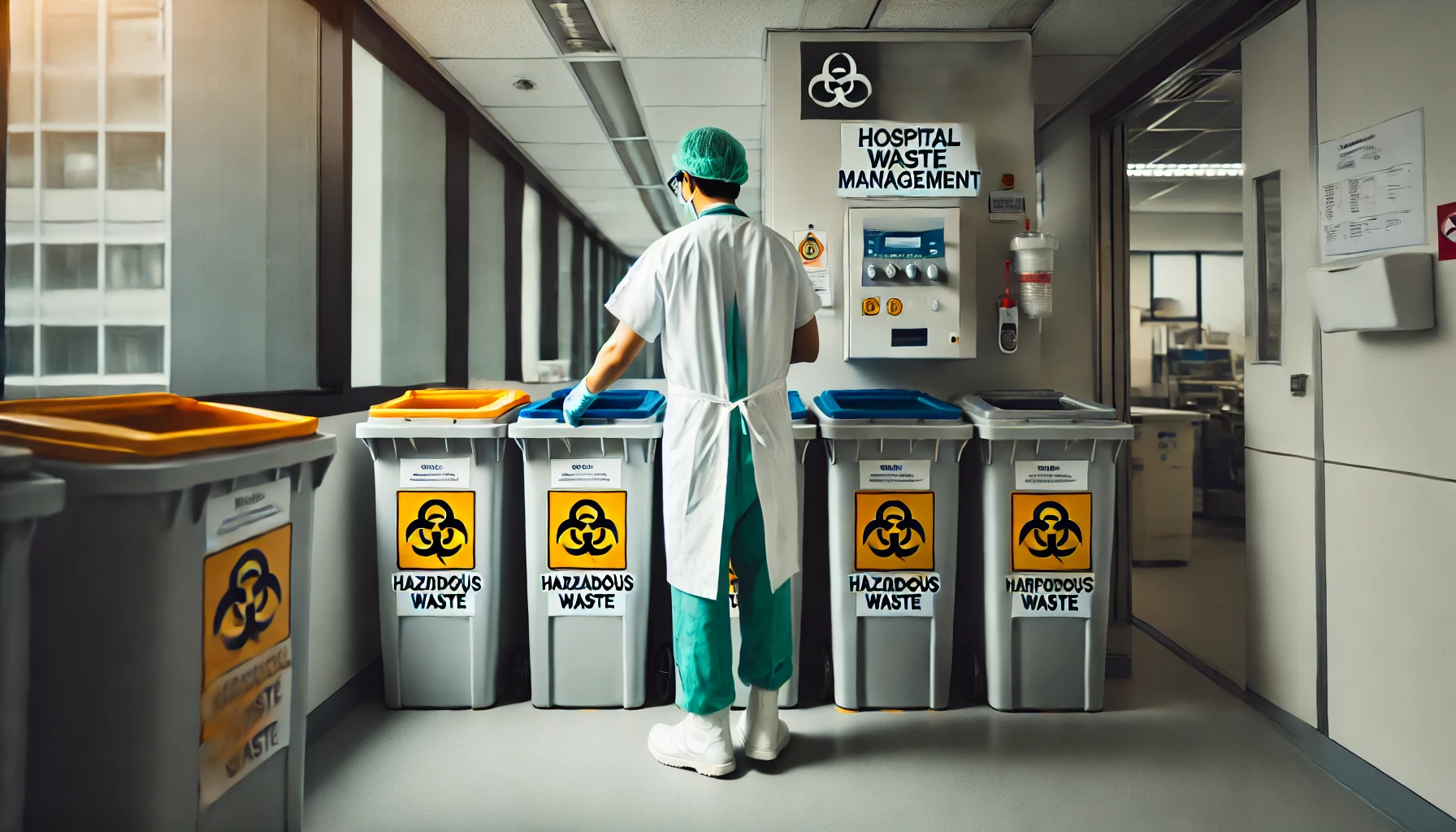
The Importance of Clinical Waste Management in Healthcare Facilities
Introduction
In the healthcare industry, proper clinical waste management is essential for maintaining safety, preventing infections, and ensuring environmental responsibility. Hospitals, clinics, laboratories, and other medical facilities generate large amounts of hazardous waste daily. If not managed properly, this waste can pose severe health risks to patients, healthcare workers, and the general public, as well as cause significant environmental damage.
A structured waste disposal system is critical to keeping healthcare environments clean and safe while ensuring compliance with government regulations. In this blog, we explore why clinical waste management is essential and how it benefits healthcare institutions.
1. Ensuring Compliance with Health and Safety Regulations
Healthcare facilities must adhere to strict regulatory guidelines when handling clinical waste. Government bodies enforce these rules to ensure that hazardous materials are properly segregated, stored, and disposed of safely.
Why Compliance Matters
- Legal Consequences – Failure to comply with waste disposal regulations can result in hefty fines, legal action, or even suspension of a medical facility’s operations.
- Public Health Protection – Improperly disposed of medical waste can contribute to the spread of infections and diseases, posing risks to both healthcare workers and the general public.
- Enhanced Reputation – Hospitals and clinics that prioritize safe waste management build trust with patients, regulatory agencies, and the wider community.
Licensed waste management providers, such as SC Tactical Bridge Sdn. Bhd., ensure full compliance with Department of Environment regulations, giving healthcare institutions peace of mind in their waste disposal practices.
2. Protecting Patients, Staff, and the Environment
Medical waste contains potentially infectious and hazardous materials such as used needles, blood-soaked bandages, and expired medications. If not handled correctly, these materials can lead to the spread of diseases, endangering healthcare workers and patients.
How Proper Waste Disposal Protects Healthcare Facilities
- Minimizes Cross-Contamination Risks – Strict waste segregation helps prevent bacteria and viruses from spreading within healthcare environments.
- Protects Healthcare Workers – Sharps disposal procedures reduce the risk of accidental needle pricks and injuries.
- Reduces Environmental Pollution – Hazardous waste that is not disposed of properly can seep into soil and water sources, leading to long-term environmental consequences.
3. Enhancing Efficiency in Healthcare Operations
A well-organized waste disposal system contributes to a smoother workflow in medical facilities. Staff can focus on their primary responsibilities—providing patient care—without the added burden of handling waste.
Efficiency Benefits of a Structured Waste Management System
- Prevents Clutter & Odors – Ensuring proper disposal of medical waste maintains cleanliness and improves hygiene standards.
- Reduces Storage Issues – Scheduled waste collection prevents medical facilities from accumulating excessive waste, freeing up space.
- Ensures Fast Response to Emergencies – Proper waste management systems ensure biohazardous materials are promptly handled, reducing infection risks in high-risk areas.
Conclusion
Proper clinical waste management is not just a legal requirement—it is a fundamental responsibility of every healthcare facility. With a structured waste collection and disposal system in place, hospitals and clinics can protect patients, healthcare workers, and the environment. Partnering with experienced waste management providers like SC Tactical Bridge Sdn. Bhd. ensures safe, compliant, and efficient medical waste disposal practices.